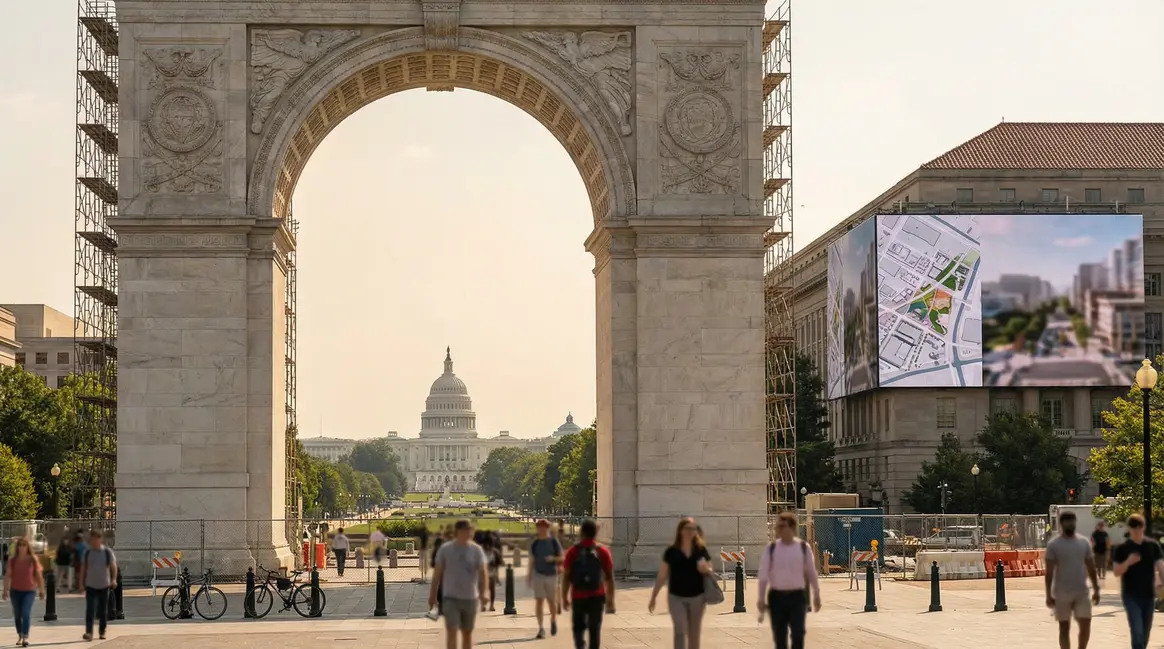
A new wave of debate has erupted around Donald Trump’s bold proposal for a monumental arch in Washington, D.C., timed with America’s upcoming 250th anniversary. The claim at the heart of this projectthat the city has been waiting 200 years for such an archposes a challenging question for historians and citizens alike. How did this narrative arise, and what does it reveal about the facts, ambitions, and identity shaping the capital’s future?
Decoding the narrative: origins versus reality
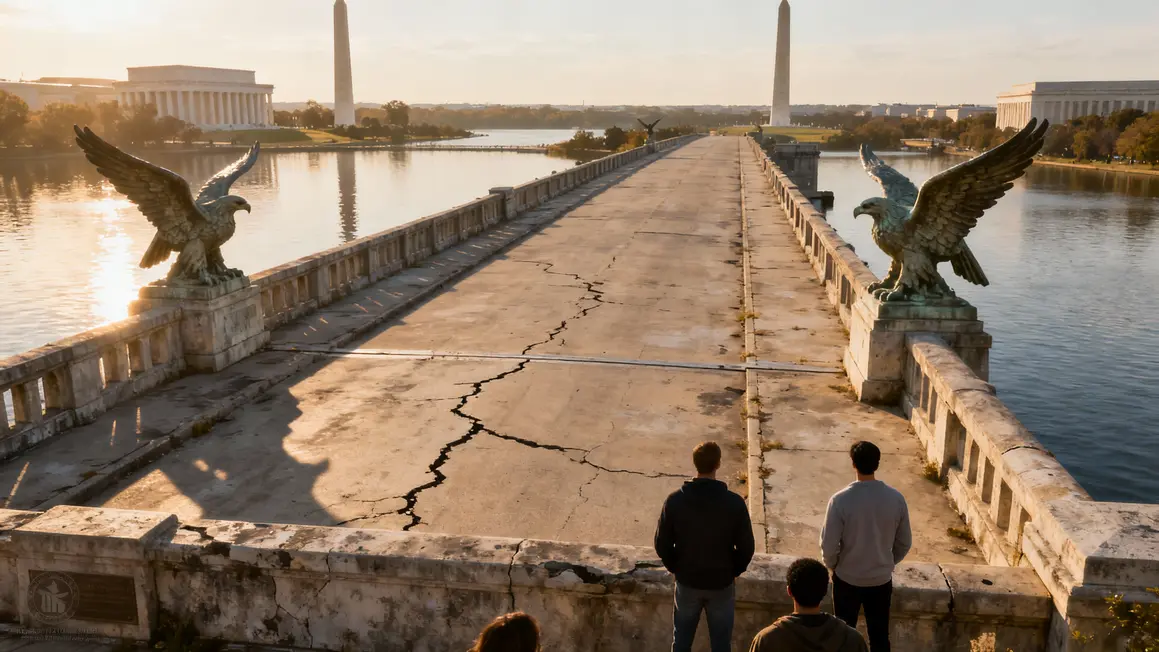
The assertion of a centuries-old desire for a triumphal arch in Washington quickly unravels under historical scrutiny. There is no evidence of any lasting public campaign or formal proposal dating back to the early days of the city. Instead, Washington’s landmark projects prioritized utility and symbolism over European-style arches. The “four eagles” mentioned by Trump connect to the Arlington Memorial Bridge, completed long after the Civil Warserving as a symbol of reconciliation, not martial victory.
Why the myth persists
Temporary arches like the 1919 Victory Arch illustrate occasional flirtations with the form, but these structures were always meant to be fleeting. The tradition of permanent triumphal arches belongs mainly to European capitals, where they memorialize military victories and political revolutionsquite a different context from Washington’s emphasis on civic unity and governance.
Root causes: heritage, political ambition, and global context
Washington grew out of a pressing need for infrastructure, not shows of grandeur. While cities like Paris erected the Arc de Triomphe to mark revolutionary achievement, the U.S. capital focused on the Capitol dome, Lincoln Memorial, and Arlington Cemeterysites that embody national ideals over triumph.
Donald Trump’s vision for a 250-foot arch shifts this paradigm by blending political ambition with a reinterpretation of tradition. Framing the proposal as answering a “historical demand” cleverly merges legacy-building with patriotic messagingan approach that has shaped several of Trump’s interventions in the capital’s architecture.
What’s at stake: urban identity and regulatory hurdles
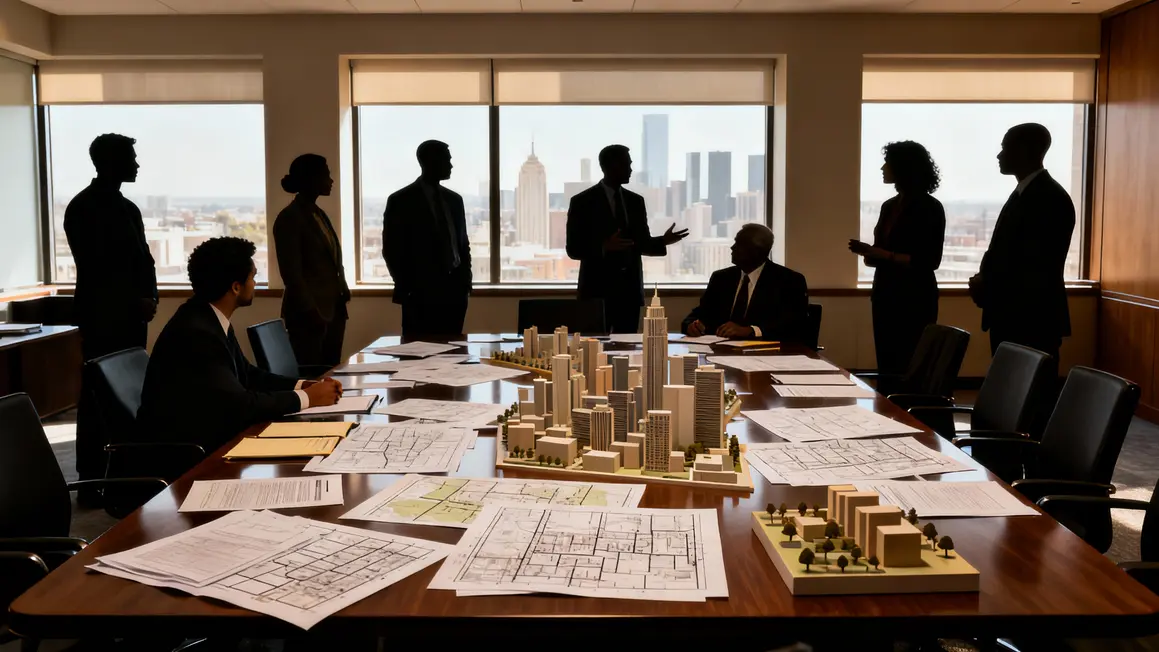
High-impact projects in Washington must navigate a minefield of legal checks, design reviews, and community scrutiny. The introduction of an outsized arch could disrupt the visual harmony that defines the capital’s neoclassical characterpotentially overshadowing icons like the Lincoln Memorial and Capitol. Preservationists and urban planners worry about the loss of architectural coherence, while proponents argue it could boost tourism and redefine the city’s international image.
“It’s not about replacing history, but extending it,” argues a local architect involved in public projects in D.C.
Good to know
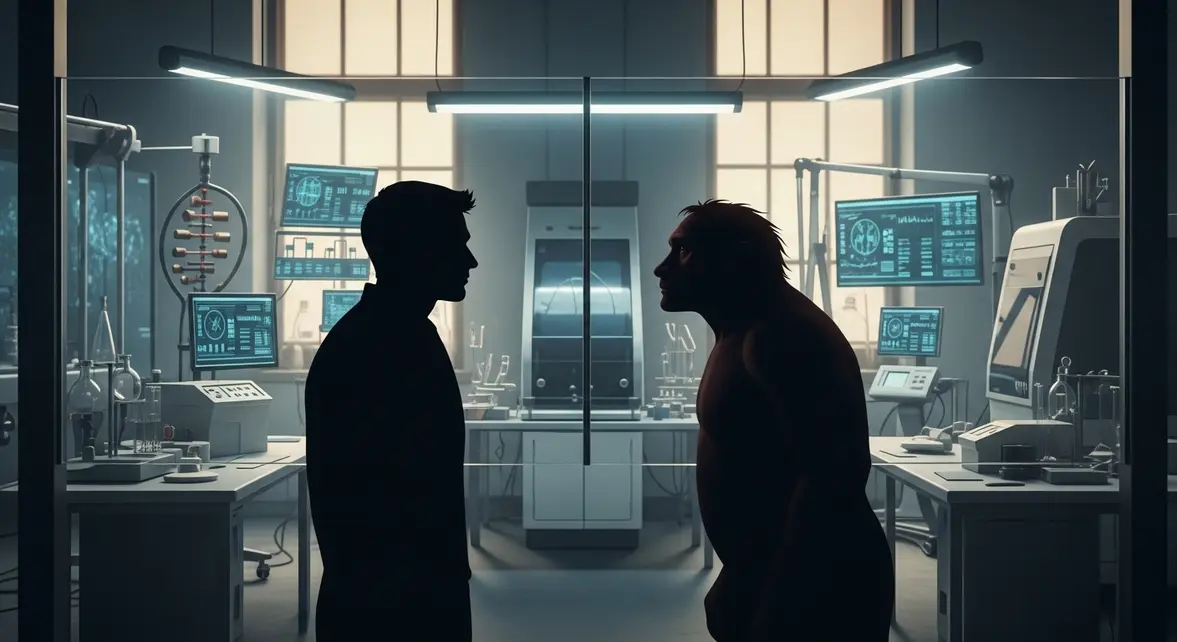
I recommend that you keep in mind that any new monument in the National Mall or Memorial Circle faces approval from multiple regulatory agenciesincluding historical, environmental, and congressional oversight. Past proposals for grand arches have typically stalled, especially since 9/11 due to security concerns. Read about could neanderthals soon walk among us.
Consequences and future scenarios: rewriting legacy or fueling controversy?
If approved in its grandest form, the Trump Arch would stand taller than Paris’s Arc de Triomphe and even rival the Capitol itself. Such scale raises new issues: does it honor unity, or spotlight personal ambition? More likely, the project could see significant modifications or meet resistance on the grounds of cost, design, and compatibility with D.C.’s sober aesthetic.
Globally, capitals like Rome and London commemorate their history through monumental structures with roots deep in their cultural identities. Washington’s own memorials stem from a different idealunity over triumph, service over spectacle. Whether the proposed arch becomes a lasting addition or fades as another ambitious blueprint, the debate reflects broader themes in urban evolution and presidential legacy.
While the debate over Trump’s Washington arch focuses on historical accuracy, it’s fascinating to consider how genetic engineering could similarly reshape our understanding of human legacy and identity, much like Neanderthals soon walk among us.
This project surfaces not just questions of architectural vision, but the fundamental tension between tradition and innovation in American commemoration. Should the capital make room for new grandeur, or hold to its understated ethos?
The controversy around the Trump Arch reveals how easily facts and ambitions intertwine in national storytellingsometimes blurring the line between legend and reality. Would a new arch shift how the world sees Washington, or simply spark fresh debate about who shapes history?
How do you interpret this clash between legacy and innovation? Is Trump’s vision rewriting or respecting Washington’s pastand does it deserve a permanent place? Share your thoughts and discuss with your network if the future of symbolic architecture matters to you.