
For nearly two centuries, the Mulhouse Industrial Society has fostered dialogue between heritage and innovation, driven by a collective where each member invests in the vitality of the Alsatian region. As both a network bringing together stakeholders, a guardian of industrial memory, and a source of notable local initiatives, the SIM demonstrates that transmission, modernization, and diversity of perspectives can intertwine – provided one dares to trust and exchange across generations.
The Essentials on the Mulhouse Industrial Society (SIM) – Driver of Economic and Heritage Dynamism
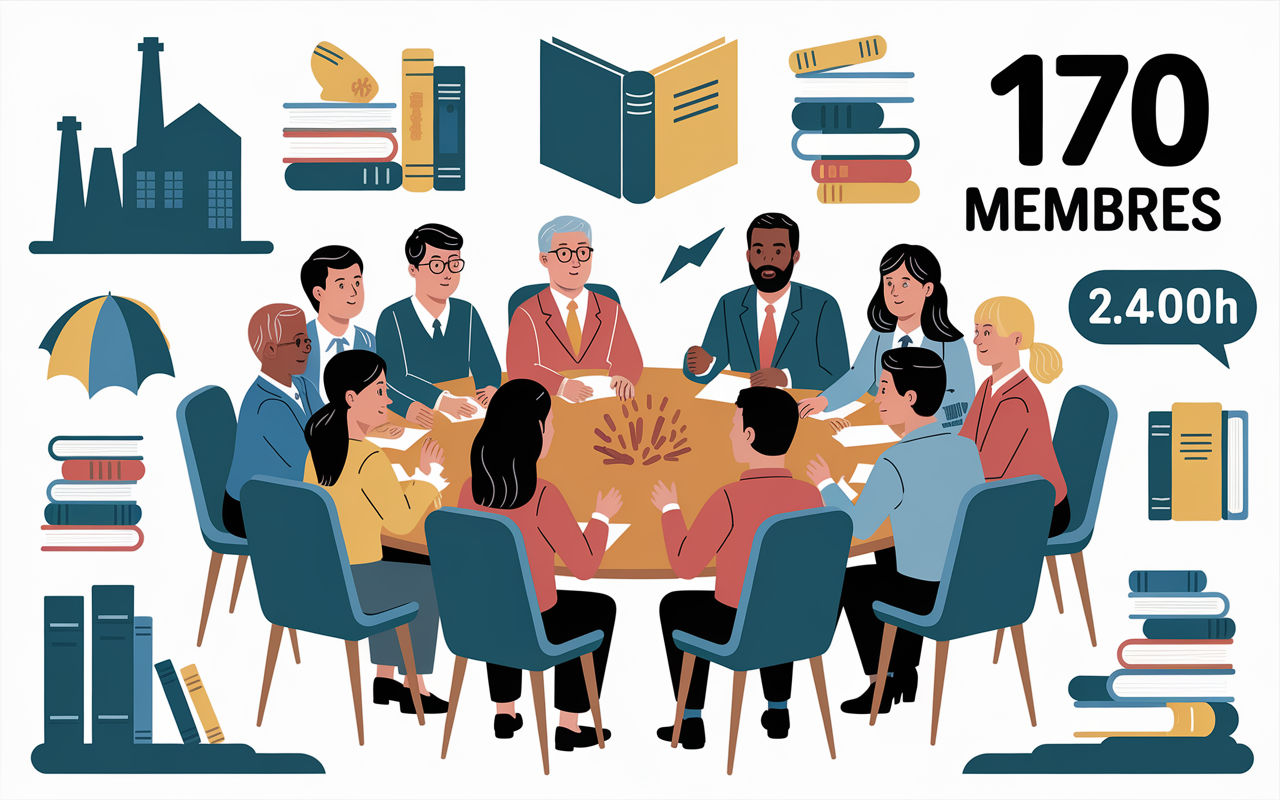
Founded in 1826, the SIM symbolizes nearly two centuries of commitment to Alsace. This structuring network now brings together 170 active members and positions itself as a true local crossroads where industrial history, innovation, and associative life intersect. The SIM, recognized as a public interest organization since 1832, continues to support Mulhouse by facilitating various working groups, offering event spaces, and leading major modernization projects.
Looking to benefit from the SIM collective dynamic or discover its services? Here is what you should know: more than 2,400 hours dedicated by members in 2023-2024, 842 historical bulletins published, and all members ready to recommend it. This sums up the extent of the impact quite well…
In some cases, professionals believe that this level of mobilization stands out as exceptional in the regional associative world.
The Mulhouse Industrial Society was born during the reign of Charles X, at a time when the Mulhouse region was particularly distinguished by its textile and mechanical industry. Founded by prominent families such as the Koechlins and Dollfuses, the original ambition was simple: to blend science and industry with a social purpose. Today, the SIM focuses its energy on three strategic areas: training young people and strengthening their career paths, supporting sustainable economy, and promoting genuine cultural attractiveness.
Entrepreneurs, executives, young talents, or local authorities benefit from concrete resources: a vibrant event calendar, an up-to-date member directory, room rentals, and privileged access to archives. One might wonder: how does such an ancient association manage to stay on course? Many observe that the SIM combines heritage transmission and innovation, reassuring through the quality of its governance – with Christian Lehr and Yannick Etter at the helm. A trainer recently mentioned how this duo renews practices without ever losing the SIM’s identity.
Summary of Key Points
- ✅ The SIM brings together 170 active members and has been recognized as a public interest organization since 1832.
- ✅ It dedicates more than 2,400 hours of volunteer mobilization in 2023-2024.
- ✅ Current governance emphasizes training, sustainable economy, and culture.
The Exceptional History of the SIM
Nearly 200 years of initiatives and mutual support: the SIM emerged from an industrial and collective adventure whose spirit still inspires Southern Alsace. The organization has weathered transformations, from textiles to connected industry, while preserving a shared and evolving foundation.
A Royal Foundation and Its Great Figures
1826, Place de la Bourse: the SIM was born under the impetus of a royal decree, driven by prominent Mulhouse families. The Koechlin and Engelmann dynasties were at the heart of this movement, where visionary entrepreneurs and unifying scientists came together. It happens that an archivist reports the richness of the debates from that era, giving substance to the SIM archives.
Since then, the SIM has documented its heritage through impressive production: 842 bulletins published. This represents practically one issue every quarter since its founding. This historical archive remains accessible to all members and positions the SIM among the pillars of industrial memory in Alsace.
Transmission and Public Interest
In 1832, the recognition as a public interest organization established the legitimacy of the SIM, which became a place of exchange between industrialists and researchers, but also a learning laboratory. The Natural Sciences Committee, which now brings together nearly a hundred enthusiasts, highlights the variety of SIM intergenerational relays: many weave the future from a shared heritage.
- 842 bulletins published since 1826: a living archive and source of dialogue.
- 100% of members state their intention to recommend the SIM, a rare indicator of collective support.
Key takeaway: this open heritage remains stimulating and fosters concrete connections between professionals of different generations. Some new members are surprised by the richness of exchanges right from their arrival.
Good to Know
I recommend consulting the historical bulletins regularly published by the SIM, as they constitute a unique source for understanding local industrial and social evolution.
A Committed and Unifying Organization
The dynamism of the SIM reflects the mobilization of its members, renewed governance, and the diversity of its working groups. Each year, more than 2,400 hours are dedicated voluntarily to advancing projects, events, and strategic initiatives.
Governance and Strategic Focus Areas
In December 2025, Christian Lehr and Yannick Etter succeeded Luc Gaillet – their duo marks a renewal, with marked attention to youth training, innovation, and culture. The focus areas rest on groups where economy, science, and education coexist without fixed barriers. It is noted that the headquarters, at Place de la Bourse, hosts all committees and offers an updated directory (more than 170 members, about a hundred in the Natural Sciences Committee).
Participation Methods and Concrete Involvement
Joining the SIM means integrating an intergenerational and supportive collective, whether you are an executive, entrepreneur, or institution. Members participate in projects, launch initiatives, or propose programs (training, mentoring…). Furthermore, 100% of members say they want to recommend the SIM – proof of attachment to the network. A local consultant sometimes notes the difficulty of finding such a level of commitment elsewhere, highlighting the friendly atmosphere during group sessions.
Summary of Key Points
- ✅ More than 2,400 hours of annual volunteering to develop projects and events.
- ✅ Renewed governance focused on innovation and youth training.
- ✅ 100% of members recommend the SIM, attesting to the quality of the network.
SIM: Venue for Events and Exchanges in Mulhouse
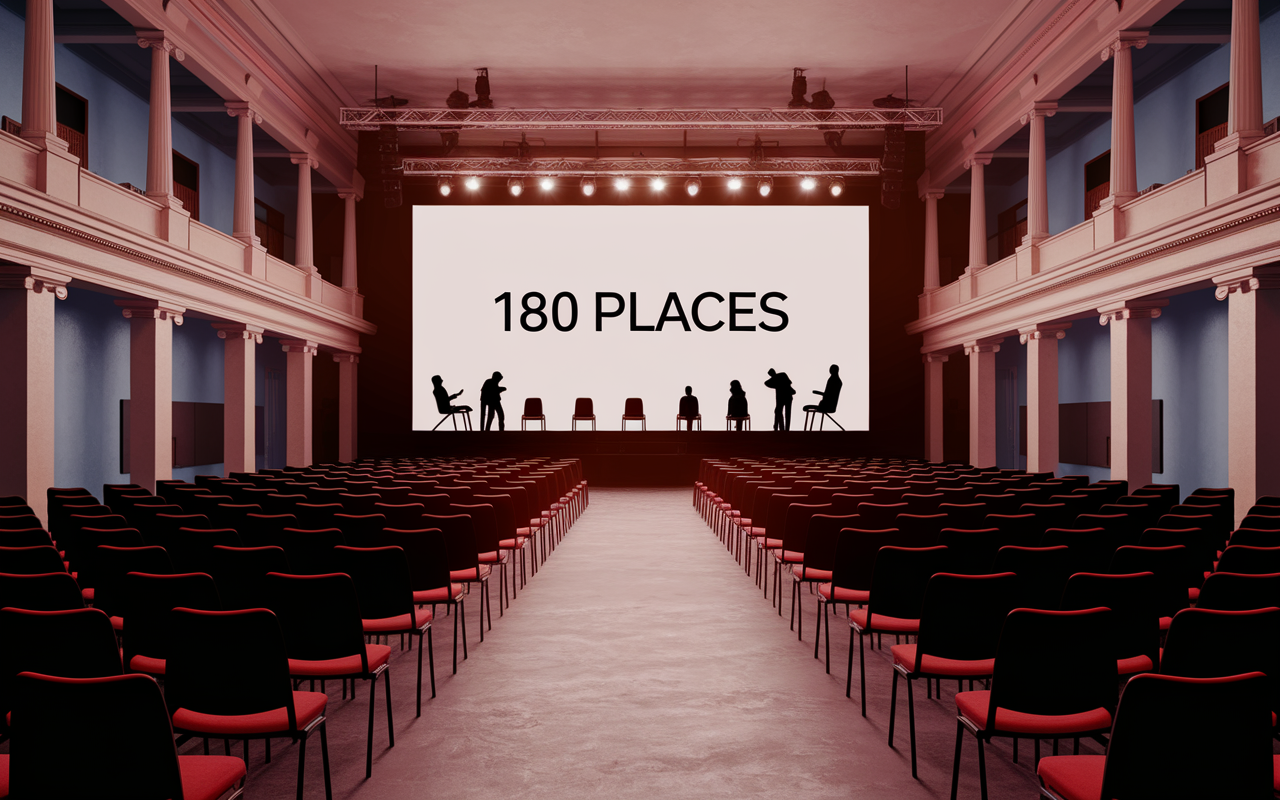
Looking for a versatile, charming space for your meetings or conventions? The SIM offers several historic, adaptable, and welcoming rooms in Mulhouse accommodating 12 to 180 people; these venues combine heritage charm and modern equipment.
The Dollfus Amphitheater, Koechlin and Engelmann Rooms
For your seminars, workshops, or conferences, the SIM provides: the Dollfus amphitheater (180 seats), the Koechlin and Engelmann rooms (from twelve to sixty seats), and informal spaces offered for rental to members or partners. Young entrepreneurs are regularly impressed by the atmosphere of the premises: “You feel supported from the moment you arrive; everything here evokes a shared history.”
- 180 seats in the Dollfus amphitheater for major conferences.
- Koechlin or Engelmann rooms: 12 to 60 seats, ideal for meetings or training sessions.
Calendar, photo gallery, virtual tour: the SIM leaves no detail of the experience to chance. Each room benefits from the latest technology for projections, video conferences, and hybrid events. Some speakers appreciate the logistical flexibility, which facilitates organization.
Access, Reservation, and Services Offered
Member companies can reserve these spaces at preferential rates, after membership and contact through the SIM website. Non-members also have access, with specific pricing. On-site reception, logistical support, and heritage enhancement are included; in other words, it is the local roots and community spirit that make the difference, far more than a standard rental.
A Living Network and Tangible Evidence of Commitment
With more than 100 people active in groups, 170 members in 2024, archives accessible to all, and a recommendation rate of 100%, the SIM demonstrates its ability to unite and support, beyond simple networking. It appears that this ecosystem supports both young creators and established businesses.
Bulletin, Archives, and Recommendations
The “SIM Bulletin,” published continuously since 1826, is one of the drivers of local professional and associative dialogue. The archives are highlighted through conferences, exhibitions, and meetings. This medium illustrates the SIM spirit well: one finds both yesterday’s successes and today’s projects, and some local historians praise the network’s persistence in highlighting the advances of each era.
Lastly, this point should be remembered: trust reigns within the network, with 100% of members committed and ready to recommend it, and more than 2,400 hours invested in 2023/2024. This collective enthusiasm is regularly cited at Mulhouse associative forums.
Testimonials and Associative Life
“The SIM is more than a club; it’s a local economic family,” says a new member. Whether you wish to develop your business, promote an initiative, or pass on knowledge, the strength of the network lies in the diversity of profiles and a spirit of intergenerational mutual aid that spans decades. Is this really so rare? Many believe so, based on feedback gathered this year.
| SIM Key Figures | Added Value |
|---|---|
| 842 bulletins published | Memory and intergenerational dialogue |
| 2,400 hours invested (2023/24) | Concrete commitment and volunteering |
| 170 members SIM | Unifying and open network |
| 180 seats (amphitheater) | Modular event spaces |
| 100% recommendation | Trust and positive experience |
Heading Toward the Future: Modernization and Patronage
The SIM is undertaking significant renovation projects (10 million euros mobilized by 2027), while pursuing its strategy of supporting businesses, training young people, and cultural outreach. A patronage consultant recently recalled how much the SIM framework energizes local anchoring and attracts new patrons.
Challenges, Construction Work, and Prospects
The renovation of the building at Place de la Bourse embodies one of the main challenges of Christian Lehr’s term: each space will be redesigned to welcome new generations of innovators. The question remains: will the SIM manage to preserve its identity while focusing on modernization? Several members confide that active participation facilitates this evolution – in practice, nothing is left to chance.
At the same time, the SIM is expanding its patronage program: businesses and individuals can support projects (renovation, digital equipment, archives), with institutional and tax benefits. Some professionals believe that this option structures the relationship between heritage and innovation, while guaranteeing the public interest of the SIM.
Membership Terms and Useful Contacts
Joining the SIM means choosing your membership fee (from 60 euros for individual members to 5,000 euros for companies or patrons), thus benefiting from privileged spaces, actively participating in working groups, and accessing exclusive resources. Membership or reservation request? Visit the official website under the “Contact” or “Calendar” section. If you are hesitant, nothing precludes an on-site visit that might convince you: the doors of the SIM remain open and welcoming. A local trainer recently shared the friendliness of the initial welcome, which makes you want to get involved more permanently.
- Membership from 60 euros (individual) up to 5,000 euros (company, patronage), adapted to all profiles.
- Contact: www.sim.asso.fr / 10 rue de la Bourse, Mulhouse, or dedicated section on the website.
To conclude: the SIM, much more than a circle of entrepreneurs, is a heritage and innovative community, open to institutional stakeholders and those curious about Southern Alsace. This is also why the association attracts both newcomers and longtime members alike.