Social Security now covers less than half of seniors’ yearly expenses in every state, with coverage plummeting as low as 21% in some regions according to newly released figures for 2024. The numbers expose a growing strain on retirees as core living costs soar well beyond what fixed benefits provide.
Up to 79% of annual expenses not covered for U.S. seniors

The latest nationwide data confirms that the average American over 65 faces annual expenses of $61,824. Yet, Social Security pays an average of $23,478 per yearcovering just 38% of senior spending. In no state do benefits reach even half of what’s needed for basic living.
Which states help Social Security go further?
Kansas leads for 2024: there, Social Security covers nearly 45% of a retiree’s annual expenses. Other states where benefits stretch furthest include Oklahoma (44.1%), Indiana (43.5%), Minnesota (43%), and Iowa (42.8%). These regions benefit from lower housing, healthcare, and daily costs, letting retirees stretch limited funds.
States where seniors are hit hardest
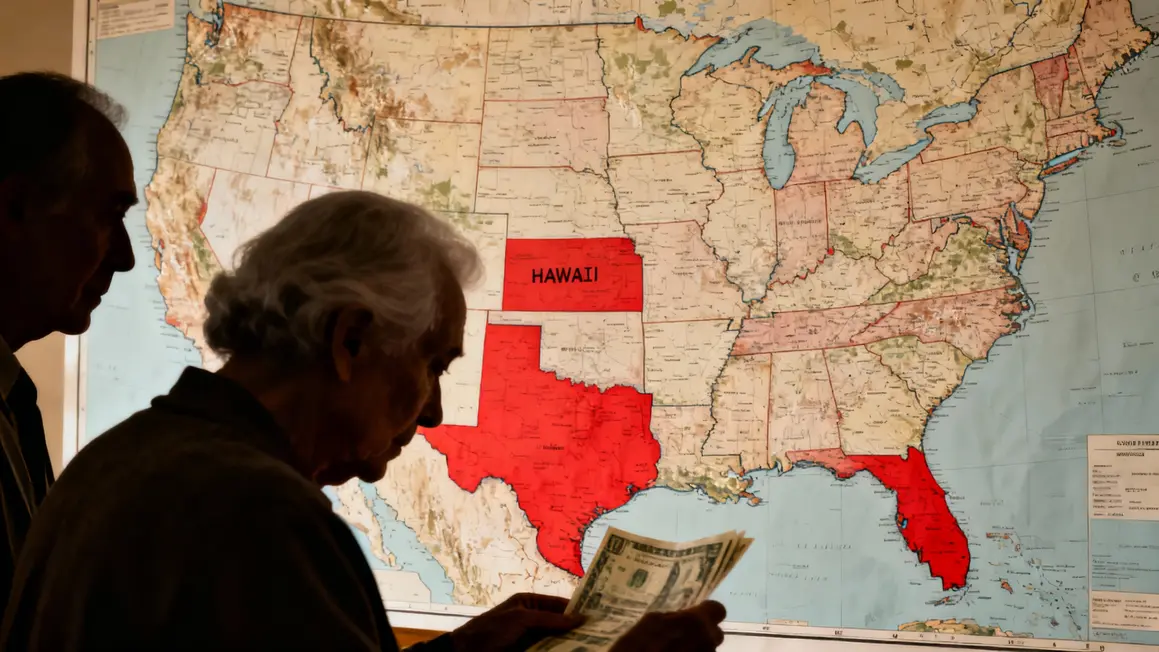
Retirees in Hawaii, Massachusetts, and California face the biggest shortfall. Social Security covers just 21.3% of elder expenses in Hawaii, 26.5% in Massachusetts, and 27.1% in California. With average annual costs above $80,000 in these states, seniors are left scrambling to fill the gap. Housing and healthcare are the main driversrents, medical bills, and local taxes quickly drain fixed incomes.
Why the system fails to bridge the gap
Benefits are based on work history, not cost of living, so retirees in expensive states receive the same as those in cheaper regions. Add inflation that outpaces Social Security adjustmentslike the modest 2.8% COLA set for 2026and the financial strain deepens.
What changes are being discussed?
Experts are urging reforms like updating the cost-of-living formula, boosting payroll taxes, or adding minimum benefit levels in expensive states to close the equity gap. But political divisions and technical hurdles keep immediate change out of reach. Meanwhile, the pressure on retirees grows year after year.
“Social Security doesn’t come close to covering my rent and prescriptionsthat’s the reality for so many of us now.”
How are seniors adapting?
Some relocate to cheaper regions to make benefits stretch. Others look to part-time work, savings, or extra income from renting and investments. The key? Planning ahead and not relying on Social Security alone to fund retirement years.
Across the U.S., this gap is hitting retirees hardespecially in states where costs rise fastest. Are you surprised by where your state ranks? Would these figures affect your own retirement plans? Share your response, and pass this info along to friends or family who may need it. Many are searching for answers in a landscape where old assumptions about retirement security no longer hold true.